
All festivals
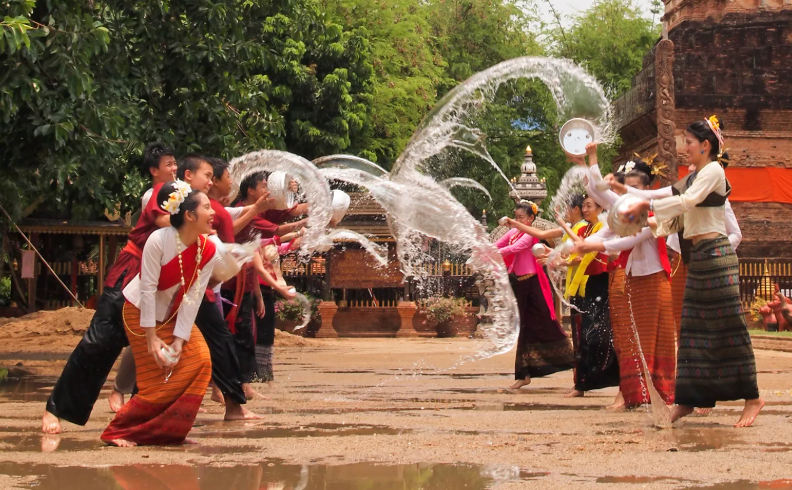
Songkran (April) – Mon New Year Festival
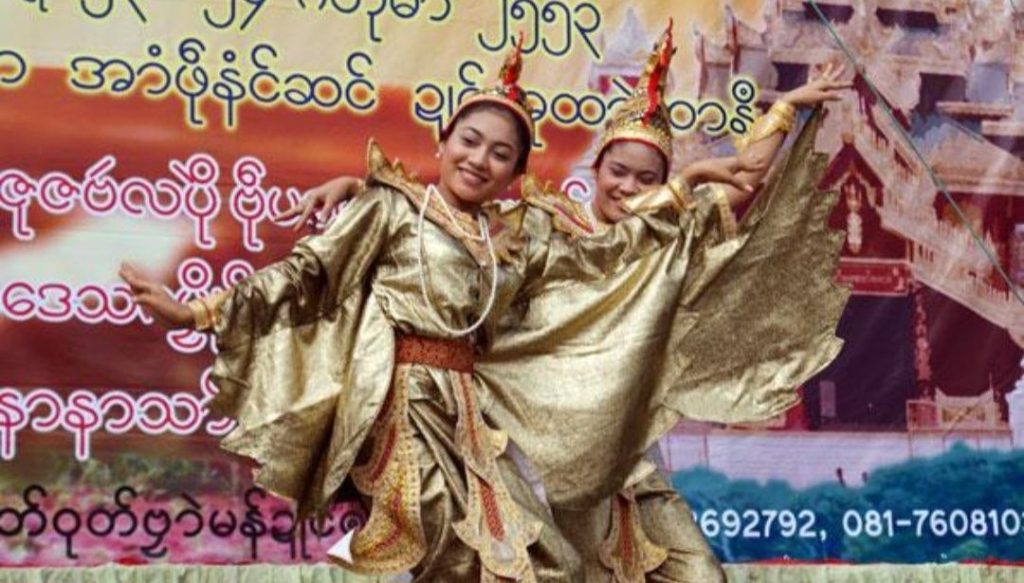
The Mon New Year Festival is the most significant cultural celebration of the Mon people. It marks the beginning of a new year and symbolizes renewal, peace, and prosperity. During the festival, families clean their homes, visit monasteries, offer food and donations to monks, and pay respect to elders. Traditional Mon dances, music performances, and community gatherings are organized throughout Mon villages and towns. People wear traditional Mon clothing and participate in cultural activities that strengthen community bonds and preserve cultural identity.
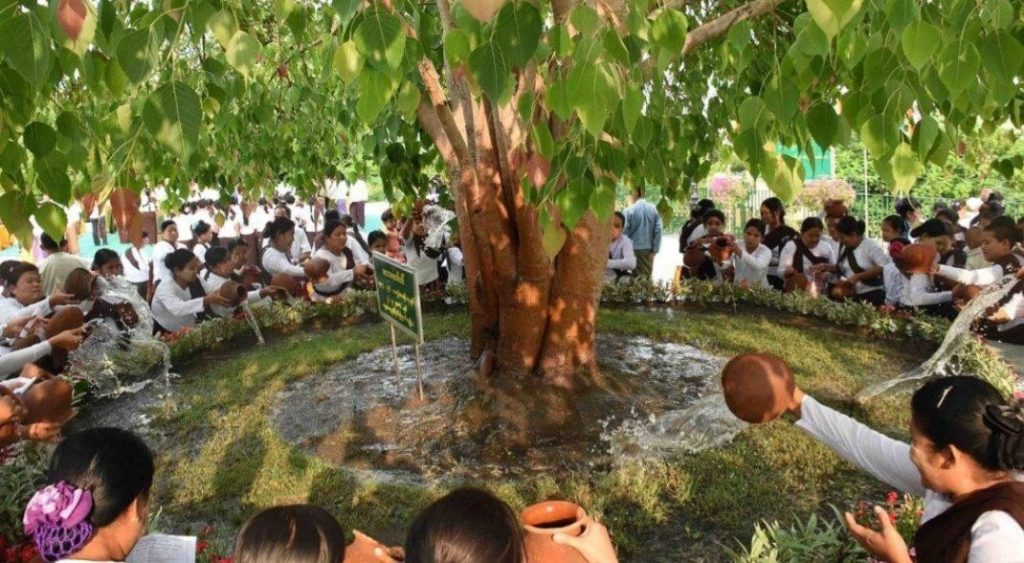
Pa Seik (May) – Bodhi Tree Watering Festival
Pa Seik is celebrated by watering Bodhi trees at monasteries and pagodas. This tradition commemorates important events in the life of the Buddha, including His enlightenment beneath the Bodhi tree. Mon people gather at religious sites carrying water pots and flowers to offer respect. The ceremony reflects gratitude, faith, and the importance of preserving nature. It is also a time for merit-making and meditation.
Jhe (June) – Mon Literature and Education Month
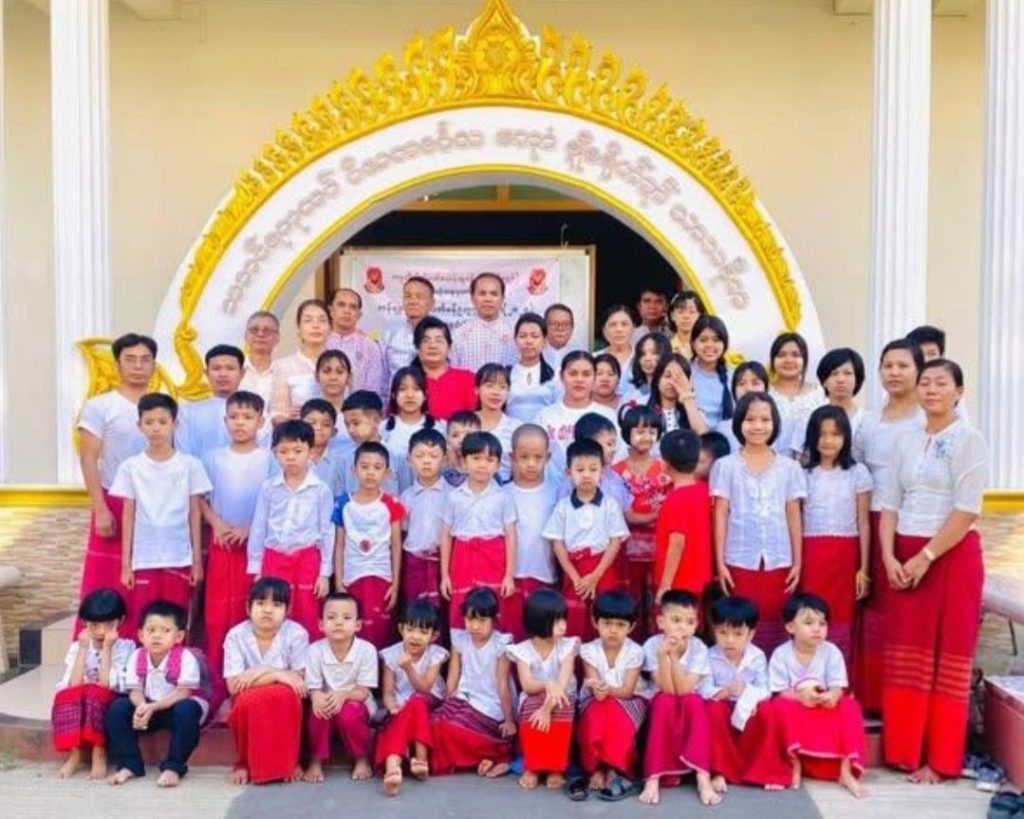
Jhe is associated with learning and the preservation of Mon literature. Mon communities organize reading sessions, cultural discussions, and Buddhist teachings. Mon language schools often encourage students to study traditional scripts and historical texts. Religious examinations for monks and novices are also held during this period. The month emphasizes knowledge, wisdom, and cultural preservation.
Ha Kone (July) – Beginning of Buddhist Lent
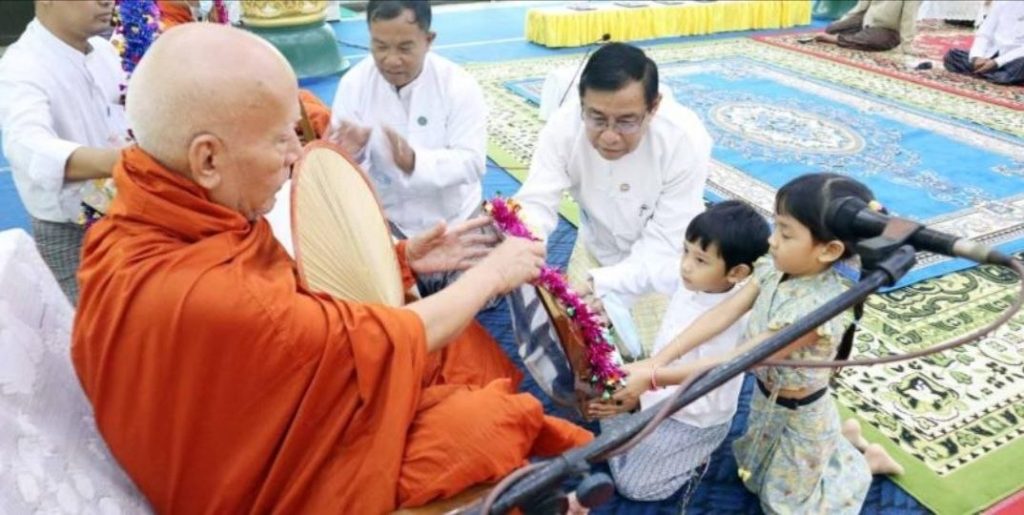
Ha Kone is associated with learning and the preservation of Mon literature. Mon communities organize reading sessions, cultural discussions, and Buddhist teachings. Mon language schools often encourage students to study traditional scripts and historical texts. Religious examinations for monks and novices are also held during this period. The month emphasizes knowledge, wisdom, and cultural preservation.
Khdoasi (August) – Community Merit-Making Festival
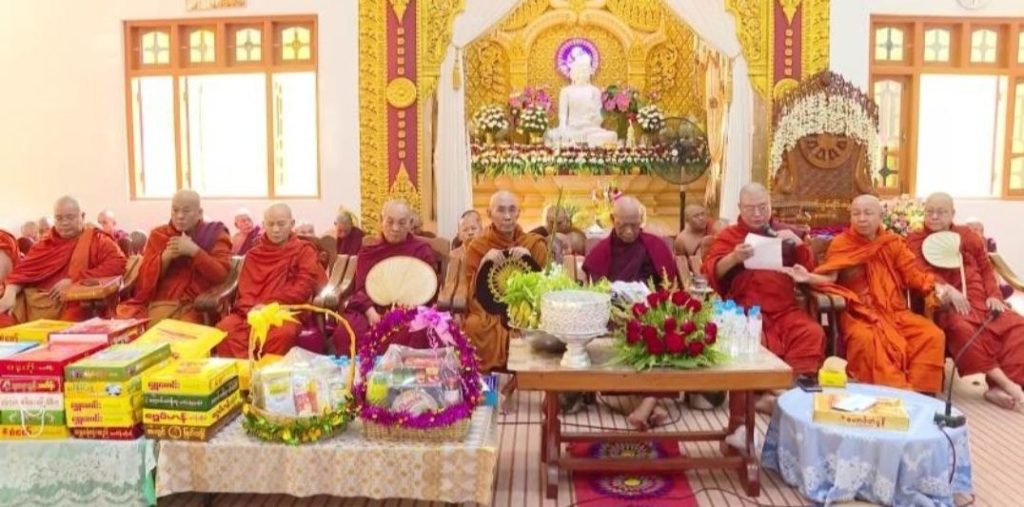
Khdoasi is known for community-based merit-making activities. Villagers work together to prepare food offerings and support local monasteries. Mon families invite relatives and neighbors to participate in religious ceremonies. The festival promotes generosity, unity, and social harmony. Traditional meals and community gatherings play an important role during this month.
bhat (September) – Traditional Water and Boat Celebrations
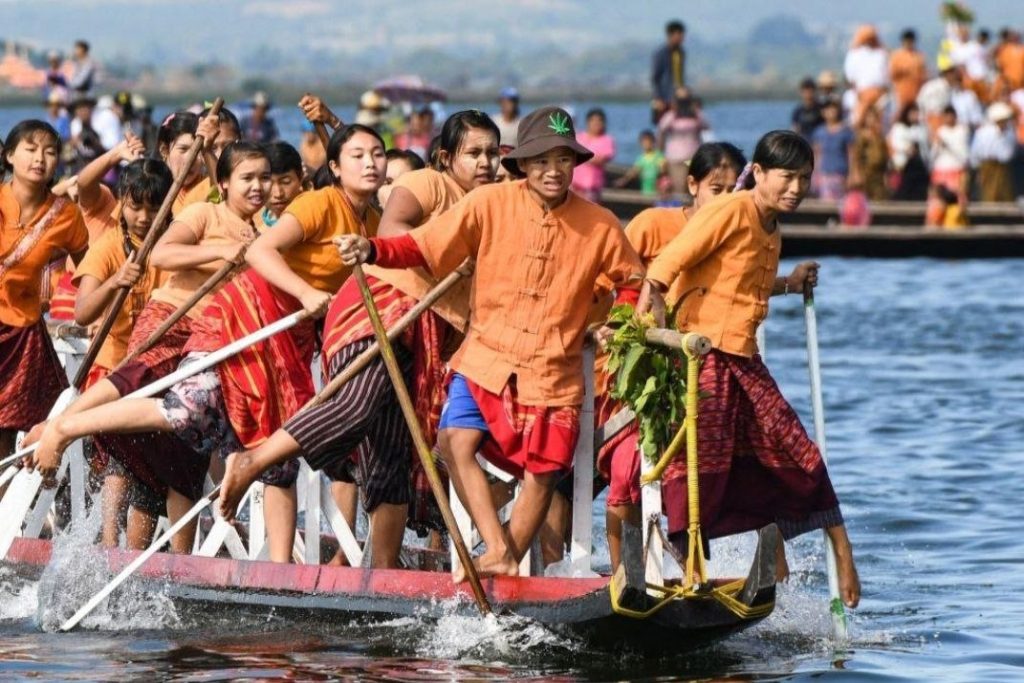
Bhat is connected to rivers and waterways, which are important to many Mon communities. Traditional boat activities and local festivals are organized in areas near rivers. Villagers celebrate their connection to nature through water-related ceremonies and communal events. The month highlights cooperation, local traditions, and appreciation for natural resources.
wh (October) – Festival of Lights
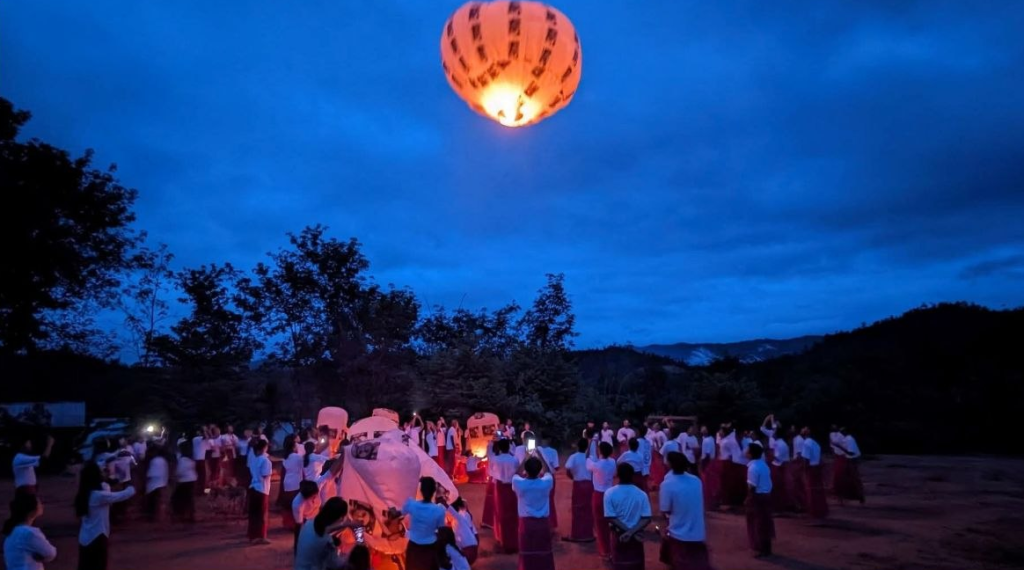
Wh marks the end of Buddhist Lent and is celebrated with colorful lights and candles. Homes, monasteries, streets, and pagodas are decorated with lanterns. Young people pay respect to parents, teachers, and elders by asking for blessings and forgiveness. Families gather together to share meals and celebrate. The festival symbolizes gratitude, wisdom, and respect.
kathiun (November) – Kathina Robe Offering Festival
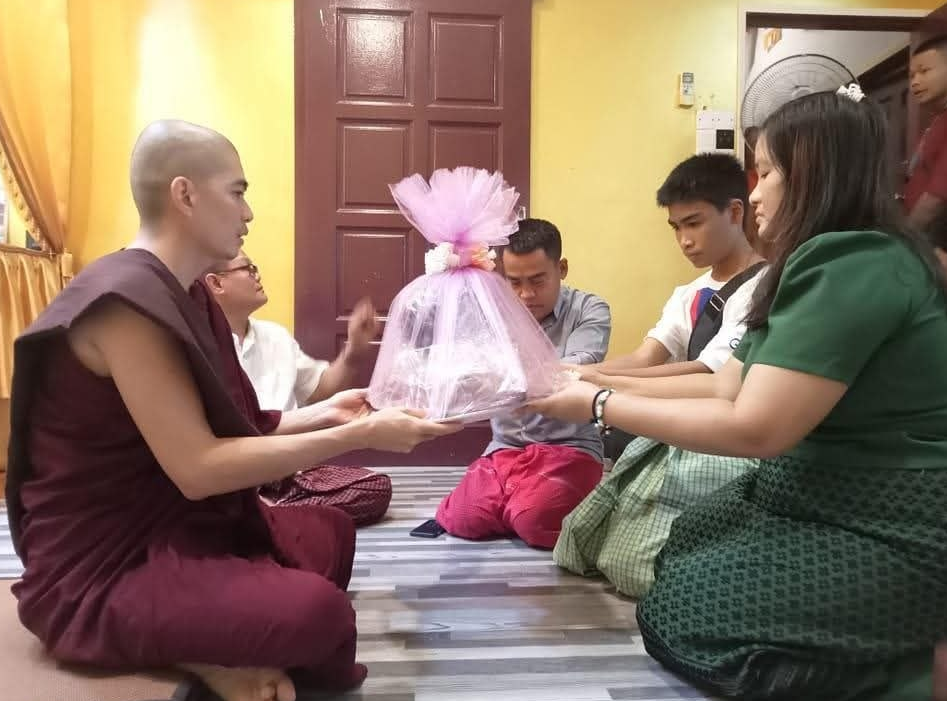
During Kathiun, Mon communities organize Kathina ceremonies to offer robes and necessities to monks. Community members work together to prepare donations and religious offerings. Traditional processions, cultural performances, and communal meals are often held. The festival reflects generosity, cooperation, and devotion to Buddhism.
mrakkaseu(December) – Mon Cultural Heritage Festival
Mrakkaseu is a time for celebrating Mon arts and cultural heritage. Traditional music performances, dance competitions, storytelling events, and cultural exhibitions are organized in many communities. Elders share historical knowledge and folk traditions with younger generations. This celebration helps preserve Mon identity and promotes cultural pride.
Pho (January) – Harvest Thanksgiving Celebration
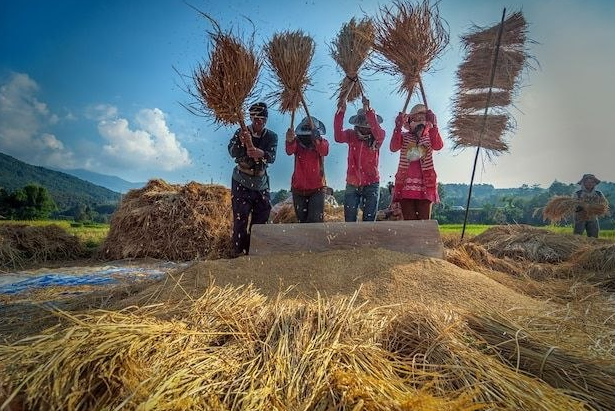
Pho is associated with thanksgiving for successful harvests. Farmers and their families gather to express gratitude for agricultural abundance. Communities organize traditional feasts, religious ceremonies, and social gatherings. The festival strengthens relationships among villagers and highlights the importance of agriculture in Mon society.
Mak (February) – Traditional Food Festival
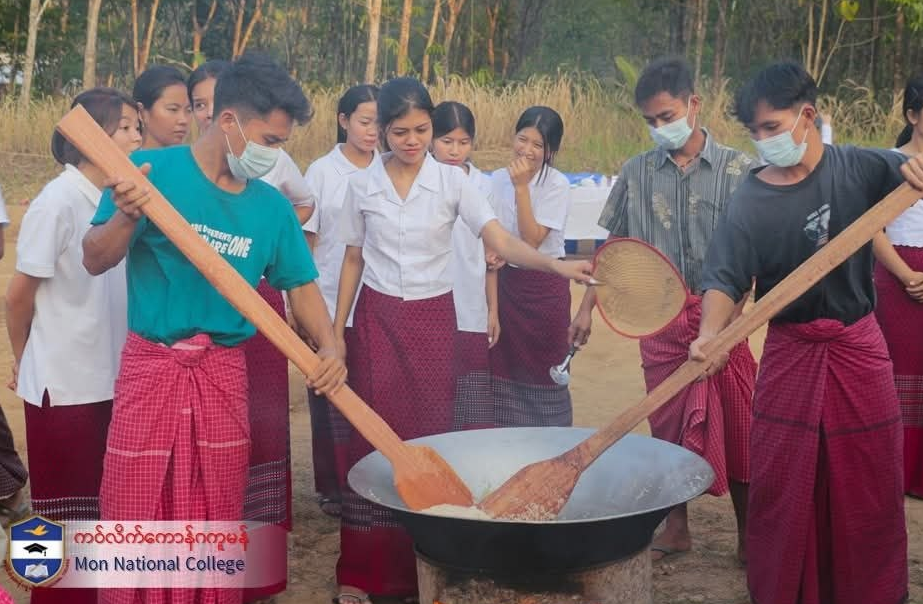
Mak is famous for the preparation of traditional seasonal foods. Families wake up early to cook special dishes and share them with neighbors, monks, and community members. Food-sharing activities symbolize generosity, friendship, and unity. The festival preserves traditional recipes and strengthens community relationships.
phawragiun (March) – Pagoda Festival and Pilgrimage
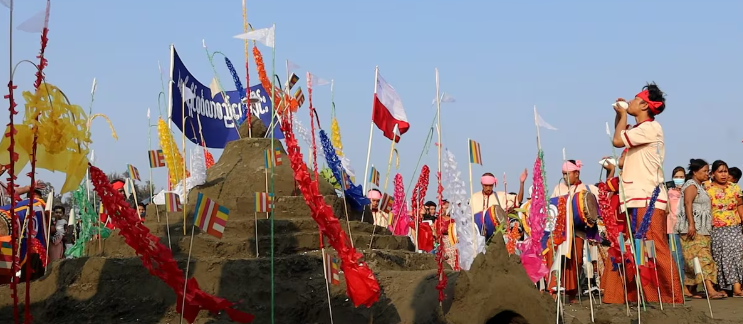
Phawrahiun is one of the most active months for religious festivals. Mon people travel to famous pagodas and sacred sites to make merit and participate in religious ceremonies. Temporary markets, cultural performances, and social gatherings are organized around festival grounds. Pilgrims offer flowers, candles, and donations while praying for peace and prosperity. The festival brings together people from different communities and concludes the traditional festival calendar.