
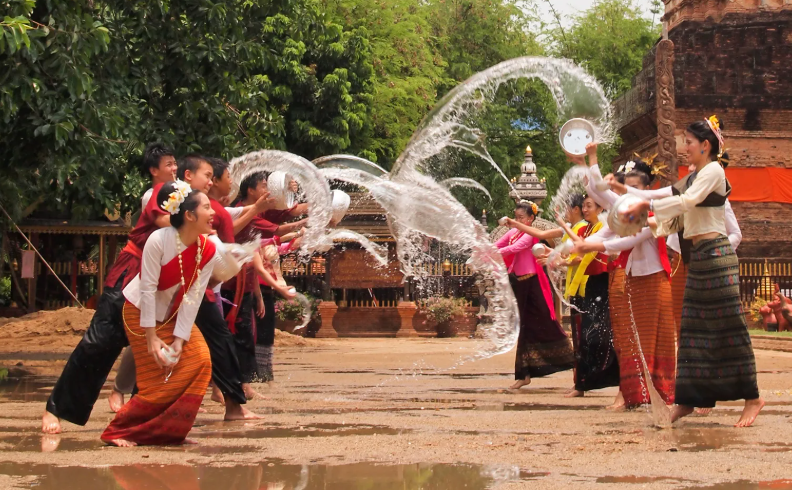
Songkran (aprial) - Mon new year festival
The Mon New Year Festival, celebrated during the month of Songkran, is one of the most important cultural festivals of the Mon people. It marks the beginning of a new year according to the traditional Mon calendar and serves as a time for reflection, celebration, and community unity. The festival is deeply connected to Mon identity and heritage, bringing together families, friends, and communities to honor their traditions while welcoming a new year filled with hope and prosperity.
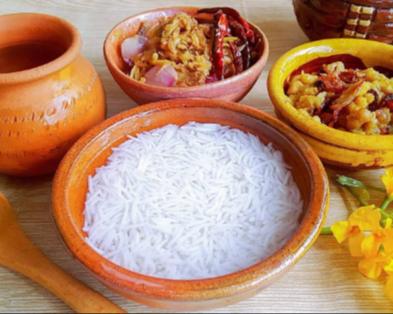
During the Mon New Year Festival, communities organize various cultural and religious activities. People clean their homes, decorate public spaces, and prepare traditional foods to welcome the new year. These preparations symbolize the removal of past difficulties and the beginning of a fresh chapter in life. Families gather together to share meals and strengthen relationships, making the festival an important occasion for family reunions.
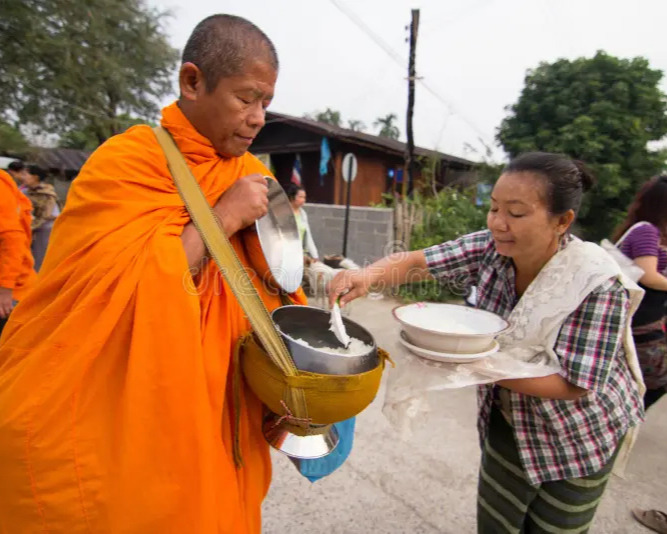
Religious ceremonies are a significant part of the celebration. Mon people visit monasteries and pagodas to make merit, offer food to monks, and participate in prayers. They believe that performing good deeds at the beginning of the year will bring blessings, happiness, and success throughout the coming months. Many people also release fish, birds, or other animals as an act of compassion and kindness, reflecting Buddhist teachings on respect for all living beings.
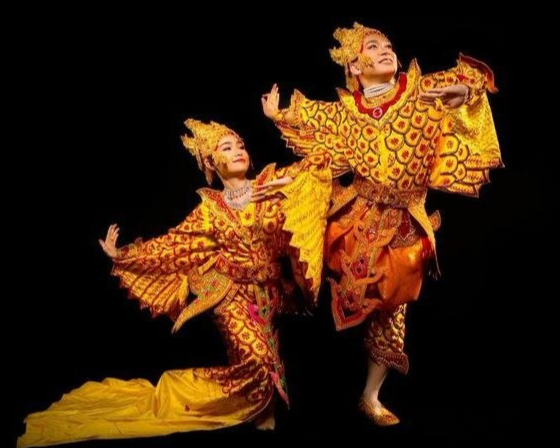
Traditional music, dance, and cultural performances play a central role in the festivities. Communities organize events where performers showcase Mon songs, dances, and traditional customs. These performances help preserve Mon culture and provide younger generations with opportunities to learn about their heritage. Traditional clothing is often worn during celebrations, highlighting pride in Mon identity and cultural continuity.
Mon New Year Festival is a major cultural and religious celebration held during the month of Tagu, marking the start of the new year in the Mon lunar calendar. It is a time for renewal, reflection, and unity, deeply rooted in Mon history and influenced by Theravada Buddhism.
The festival involves thorough preparations such as cleaning homes and preparing traditional foods to symbolize fresh beginnings. Religious activities are central, with people making merit at temples, offering donations to monks, and performing acts of kindness to gain blessings for the year ahead.
Respect for elders is an important tradition, as younger generations visit them to offer greetings and receive advice and blessings, helping preserve cultural values. The festival also features traditional music, dance, and cultural performances that showcase Mon heritage and educate younger generations.
In addition, social events, games, and community activities promote unity and cooperation. Water-related activities symbolize purification and a fresh start. Although modern elements have been added over time, the festival continues to emphasize core values such as respect, generosity, and community spirit.
Overall, the Mon New Year Festival strengthens cultural identity, family bonds, and social harmony while celebrating the past and welcoming the future with hope.