
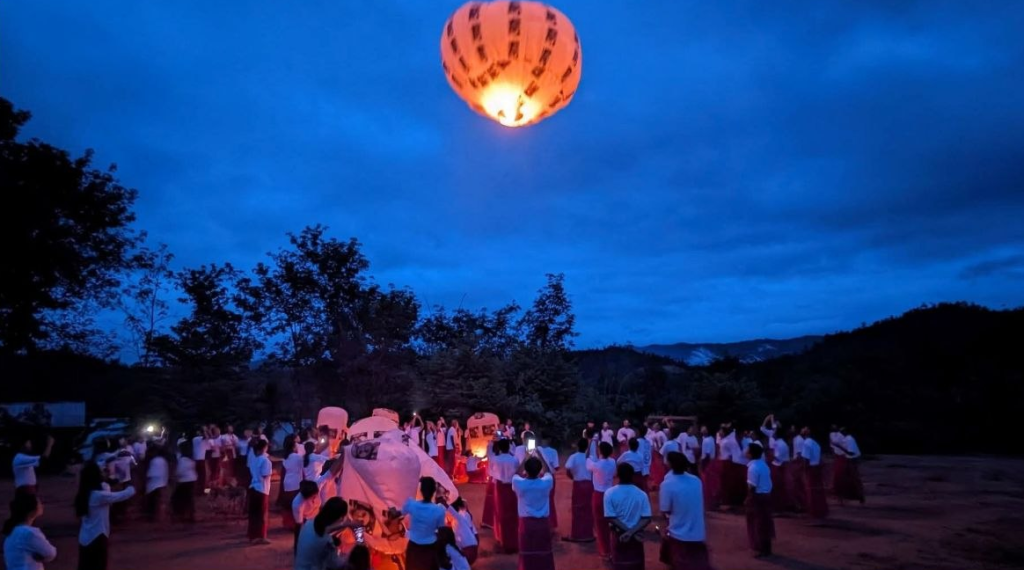
Wh ( October) - festivals of lights
The Festival of Lights, celebrated during the month of Thadingyut, is one of the most important and widely observed Buddhist festivals among the Mon people. It marks the end of the three-month Buddhist Lent and commemorates the return of the Buddha from the heavenly realm, where he is believed to have taught the Abhidhamma to his mother. This sacred event holds deep religious meaning, symbolizing the sharing of wisdom and the connection between the spiritual and human worlds. For the Mon community, Thadingyut is not only a religious celebration but also a significant cultural tradition that strengthens family relationships, promotes gratitude, and reinforces social harmony.
One of the most distinctive features of the Festival of Lights is the illumination of homes, monasteries, pagodas, and public spaces. As the festival approaches, people begin decorating their houses and communities with candles, oil lamps, lanterns, and electric lights of various colors and designs. These lights represent the light of wisdom and enlightenment brought by the Buddha upon his return to the human world. In the evening, entire villages and towns glow with warm and vibrant light, creating a peaceful yet joyful atmosphere. The beauty of the illuminated surroundings attracts people of all ages, making it one of the most visually stunning celebrations of the year.
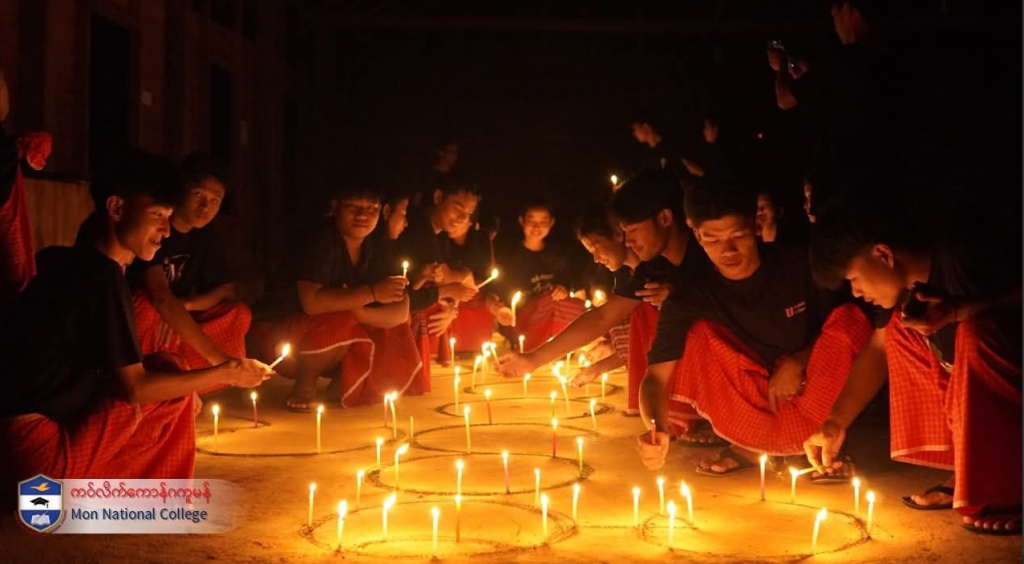
The act of lighting candles and lanterns also carries symbolic meaning beyond decoration. It represents the removal of darkness and ignorance from one’s life and the welcoming of knowledge, truth, and clarity. Many families place lights at the entrances of their homes, along pathways, and near religious altars as a way of paying respect to the Buddha and inviting blessings into their lives. In some areas, people create elaborate displays using bamboo structures decorated with lights, forming artistic patterns and traditional designs that reflect their cultural creativity.
The Festival of Lights, celebrated during Thadingyut, is one of the most important festivals for the Mon people. It combines religious devotion, cultural traditions, and community activities. During the festival, people visit monasteries and pagodas to make merit by offering food, flowers, candles, and donations to monks. They also participate in prayers, meditation, chanting, and listen to Buddhist sermons that promote morality, mindfulness, kindness, and compassion.
A significant tradition is showing gratitude and respect to parents, teachers, and elders. Younger people pay homage to elders, offer gifts, and receive blessings and advice in return. This practice strengthens family relationships and helps preserve cultural values.
The festival is also a time for family reunions, communal meals, and sharing traditional Mon foods. Communities organize feasts and social gatherings that promote generosity and hospitality. Cultural performances such as traditional music, dance, and storytelling help preserve Mon heritage and encourage younger generations to appreciate their culture.
Children especially enjoy the colorful lights and festive atmosphere while learning important values such as respect, gratitude, and kindness. The festival also strengthens community unity through charitable activities and cooperation among community members.
Although modern elements such as electric decorations, organized events, and tourism have influenced the celebration, the festival continues to maintain its core values of religious devotion, family bonds, cultural identity, and social harmony. Overall, Thadingyut remains a meaningful occasion that promotes reflection, gratitude, compassion, and unity among the Mon people.