
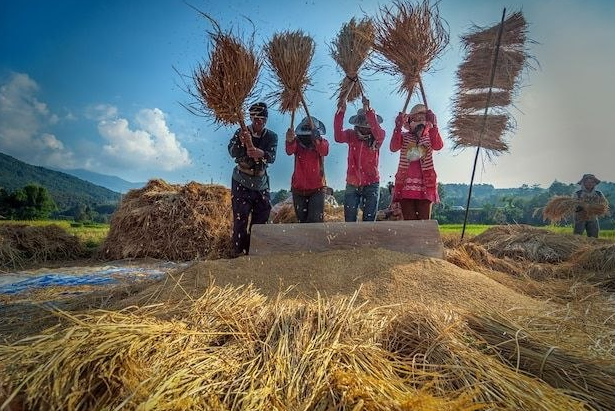
Pho (January) – Harvest Thanksgiving Celebration
Pho, which corresponds to the month of January, is an important period in many agricultural communities because it marks the end of the harvest season. During this time, people celebrate the Harvest Thanksgiving Celebration to express gratitude for a successful harvest and to pray for prosperity in the coming year. This traditional celebration reflects the close relationship between people, nature, and agriculture.
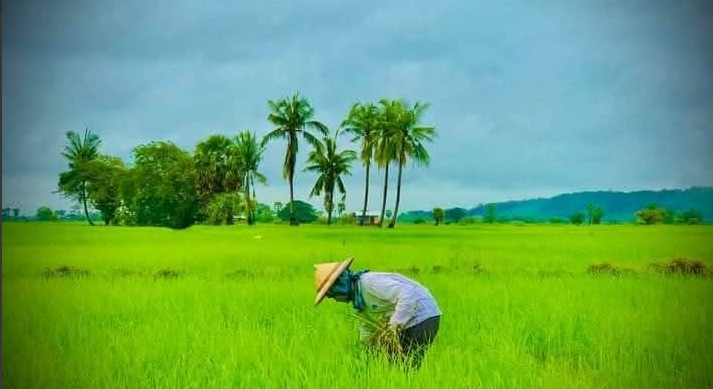
Agriculture has long been the main source of livelihood for many communities. Farmers work hard throughout the year to cultivate crops such as rice, corn, and vegetables. The harvest season is the reward for their labor and dedication. Therefore, the month of Pho is considered a special time to give thanks for the food and resources provided by nature.
Pho, which corresponds to the month of January, is an important period in many agricultural communities because it marks the end of the harvest season. During this time, people celebrate the Harvest Thanksgiving Celebration to express gratitude for a successful harvest and to pray for prosperity in the coming year. This traditional celebration reflects the close relationship between people, nature, and agriculture.
Agriculture has long been the main source of livelihood for many communities. Farmers work hard throughout the year to cultivate crops such as rice, corn, and vegetables. The harvest season is the reward for their labor and dedication. Therefore, the month of Pho is considered a special time to give thanks for the food and resources provided by nature.
The Harvest Thanksgiving Celebration usually begins with religious ceremonies. Families visit temples, monasteries, or places of worship to make offerings and pray. They express gratitude for the successful harvest and ask for blessings, good health, and a productive farming season in the future. Religious leaders often conduct ceremonies that emphasize thankfulness, peace, and community harmony.
Another important aspect of the celebration is community gathering. Families, relatives, and neighbors come together to share food and enjoy traditional dishes prepared from newly harvested crops. These communal meals strengthen relationships among community members and promote unity. Sharing food symbolizes generosity and appreciation for the abundance received during the harvest season.
Traditional music, dancing, and cultural performances are also common during the celebration. People wear traditional clothing and participate in folk dances, songs, and games. These activities help preserve cultural heritage and pass traditional values from one generation to another. Young people learn about their customs and gain a deeper understanding of their community’s history and identity.
The Harvest Thanksgiving Celebration also highlights the importance of environmental awareness. Farmers recognize that successful harvests depend on favorable weather, fertile soil, and natural resources. Therefore, the celebration reminds people to respect and protect the environment. It teaches communities to use natural resources wisely and maintain a balanced relationship with nature.
In modern times, although technology and urbanization have changed many aspects of life, the Harvest Thanksgiving Celebration continues to hold cultural significance. It serves as a reminder of the value of agriculture and the hard work of farmers. The festival encourages gratitude, cooperation, and respect for traditions.
In conclusion, Pho (January) and the Harvest Thanksgiving Celebration represent more than just the end of the harvest season. They symbolize gratitude, community unity, cultural preservation, and respect for nature. Through religious ceremonies, communal gatherings, and cultural activities, people celebrate the blessings of the harvest and express hope for a prosperous future. This important tradition continues to strengthen social bonds and preserve cultural values for future generations.